Back to News
NVIDIA GTC 2026 and the Future of Safety AI
Innovation1 April 2026

NVIDIA GTC 2026 and the Future of Safety AI

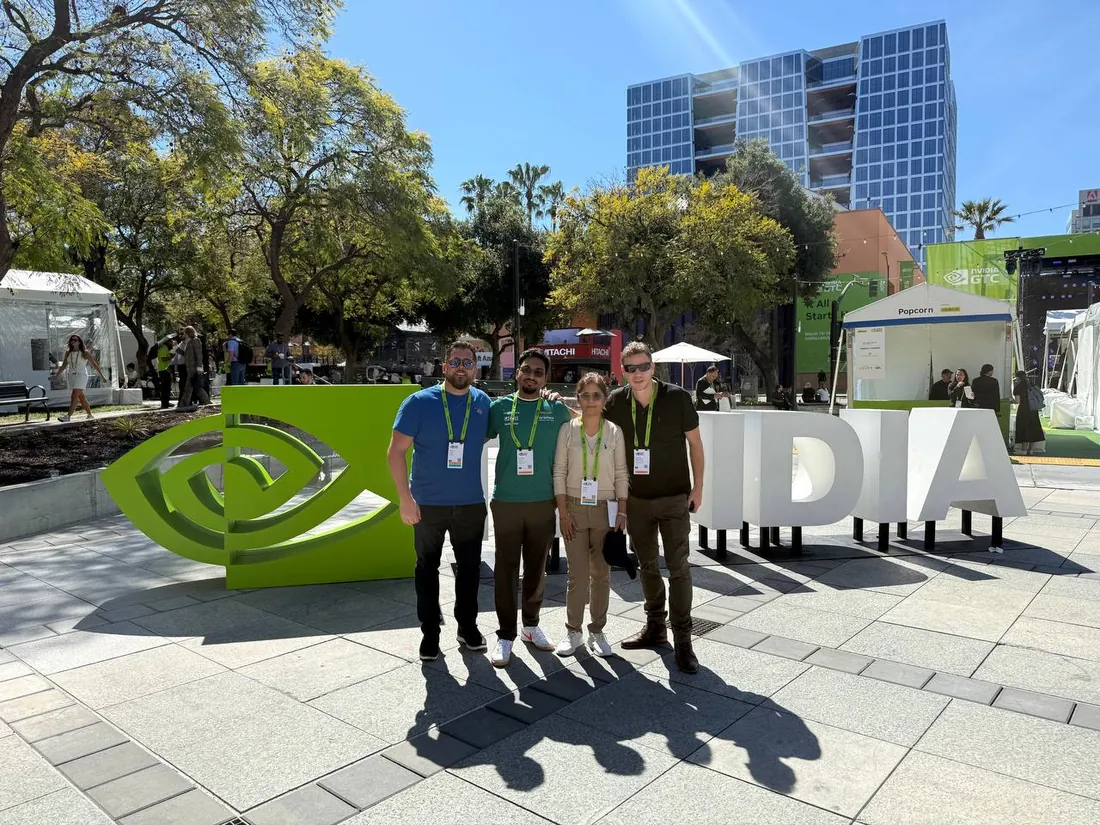
Our team recently attended NVIDIA GTC 2026 in San Jose, California - the world's largest AI conference. Over three days, we saw first-hand where artificial intelligence is heading, and it reinforced everything we believe about the future of workplace safety.

Why a Safety Company Goes to an AI Conference

LifeSafety.ai is built on a simple idea: AI should make workplaces safer, not just more efficient. At GTC 2026, NVIDIA CEO Jensen Huang laid out a vision where AI moves beyond screens and servers into the physical world - detecting hazards, understanding environments, and acting in real time.

That is exactly what we are building towards.
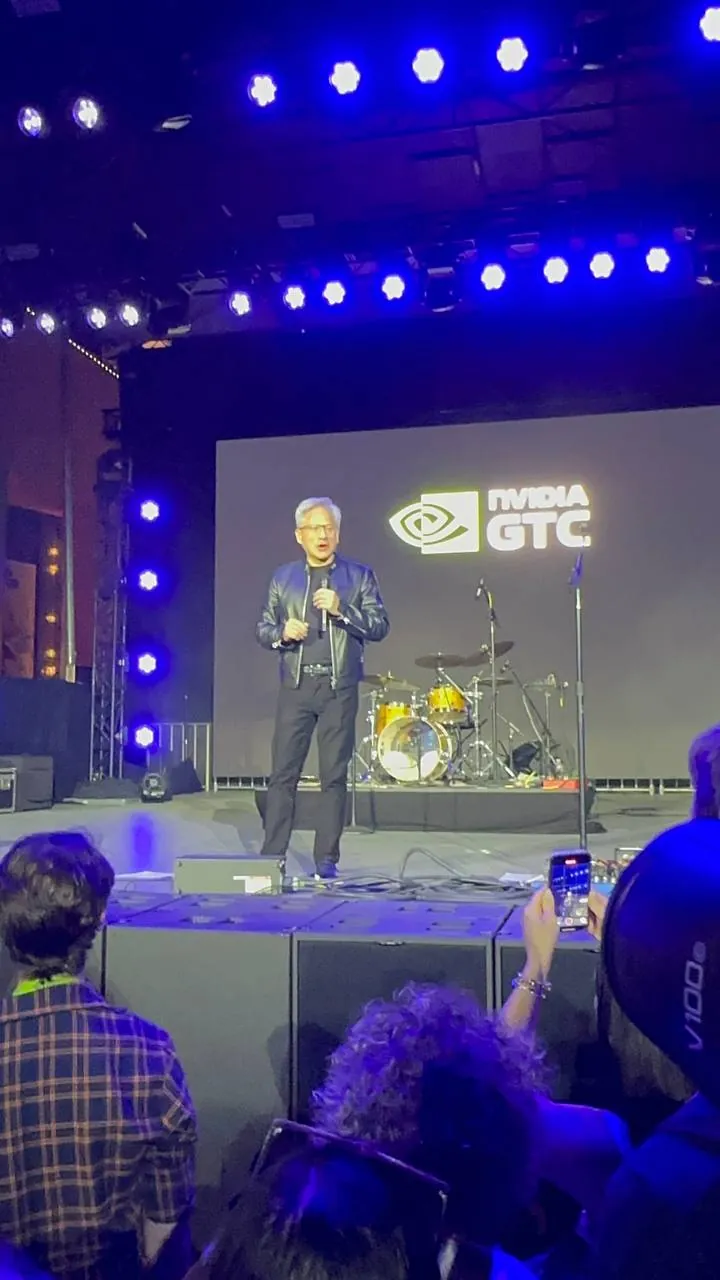
Jensen Huang on stage at NVIDIA GTC 2026

Jensen Huang delivering the GTC 2026 keynote in San Jose

The Announcements That Matter for Safety

Not everything at GTC is relevant to health and safety - but several announcements directly impact what we can build for our users:

  • Physical AI - NVIDIA announced major partnerships with robotics companies to bring AI into the real world. For us, this means smarter computer vision that can detect PPE compliance, unsafe behaviours, and environmental hazards with far greater accuracy.
  • Edge Computing - New hardware like the Jetson platform enables AI to run on-site, not in a distant data centre. This means faster alerts, lower latency, and safety monitoring that works even with limited connectivity.
  • Agentic AI - The concept of AI agents that can reason, plan, and take action. Imagine a safety system that does not just flag a missing hard hat, but automatically logs the observation, notifies the supervisor, and updates the compliance dashboard - all without human intervention.
  • Digital Twins - NVIDIA's Omniverse platform lets organisations simulate entire facilities. For safety managers, this could mean testing evacuation routes, modelling fire spread, or planning site layouts with safety built in from day one.
  • What This Means for LifeSafety.ai Users

    We are not just watching these developments from the sidelines. Our engineering team is actively exploring how to integrate next-generation AI capabilities into the LifeSafety.ai platform. Here is what you can expect:
  • Smarter risk detection - AI that learns from your site data and spots emerging hazards before incidents happen
  • Faster compliance monitoring - Real-time analysis of safety conditions across multiple sites simultaneously
  • Better insights - AI-powered dashboards that surface the most important safety trends and recommend actions
  • Automated reporting - Systems that generate compliance reports, flag RIDDOR-reportable events, and keep your documentation current with minimal manual effort
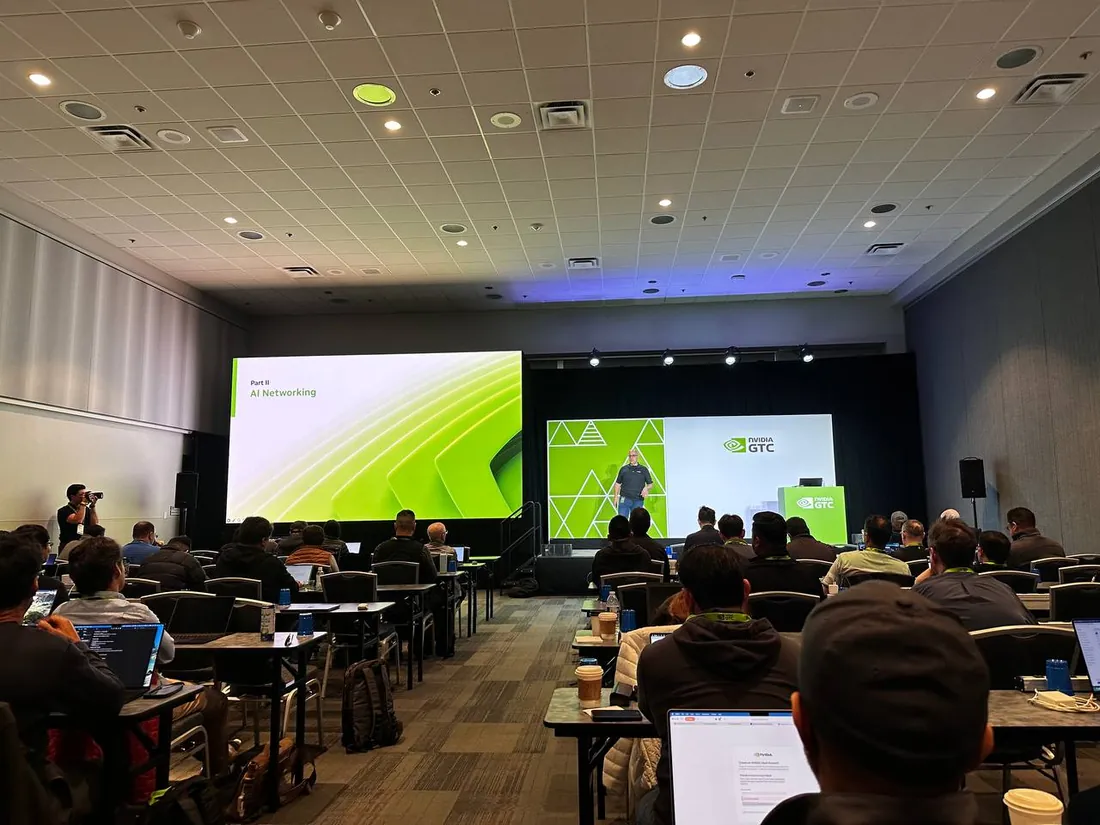
  • AI session at NVIDIA GTC 2026

    Attending AI sessions on computer vision and edge deployment

    Building Our Own AI Capability

    Attending GTC 2026 was not just about learning - it was about laying the groundwork for our own AI development roadmap. We are investing in building proprietary AI models trained specifically for UK health and safety scenarios. That means:

  • Models trained on real-world safety data, not generic image recognition
  • Understanding of UK-specific regulations like RIDDOR, CDM 2015, and COSHH
  • Edge deployment so AI works on your site, not just in the cloud
  • Privacy-first design where your data stays yours
  • The AI landscape is moving incredibly fast. What seemed like science fiction two years ago - robots that understand their environment, AI that predicts incidents before they happen, systems that monitor entire construction sites in real time - is now within reach.
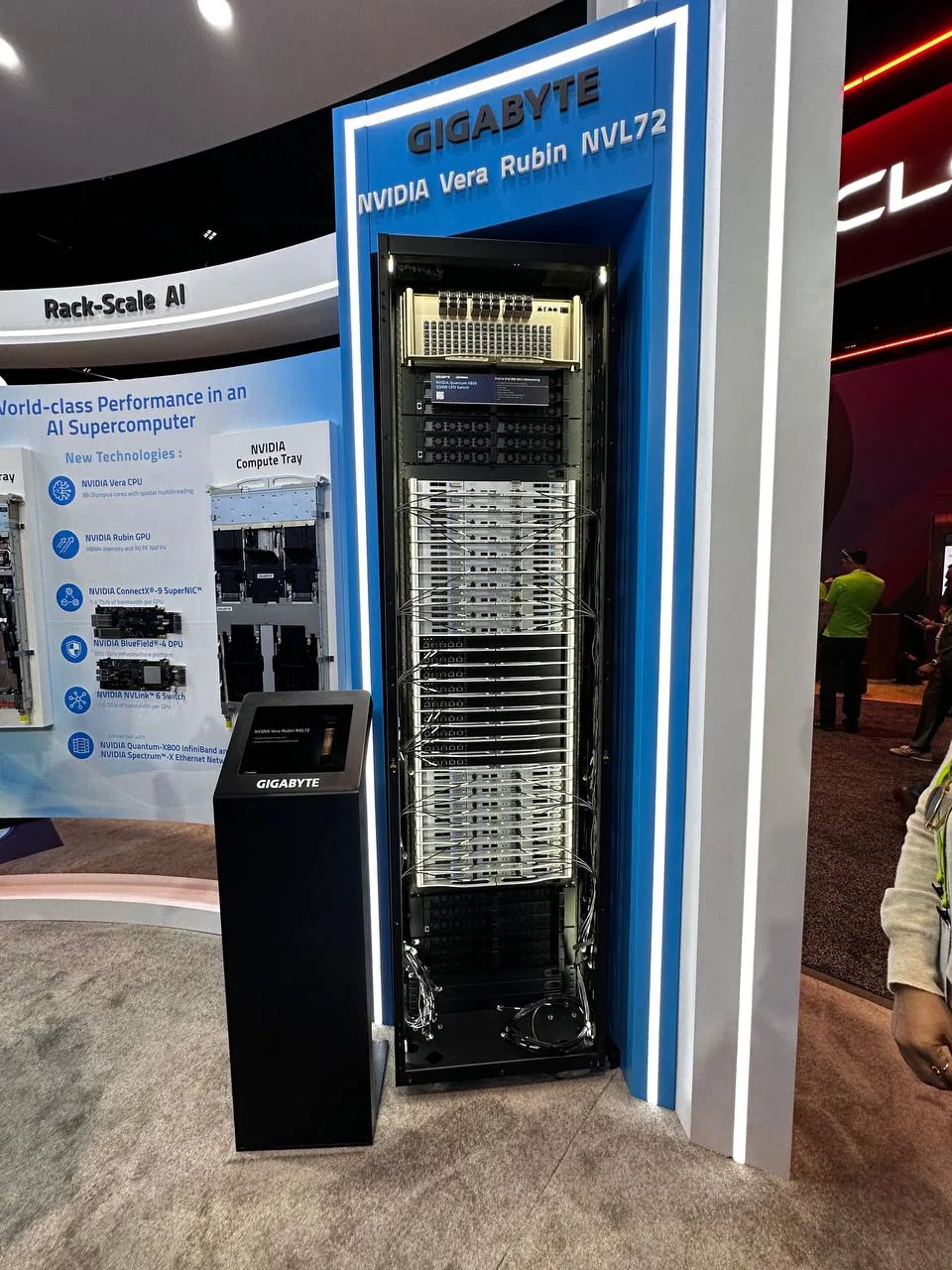
    NVIDIA Vera Rubin AI computing platform

    Next-generation AI computing hardware
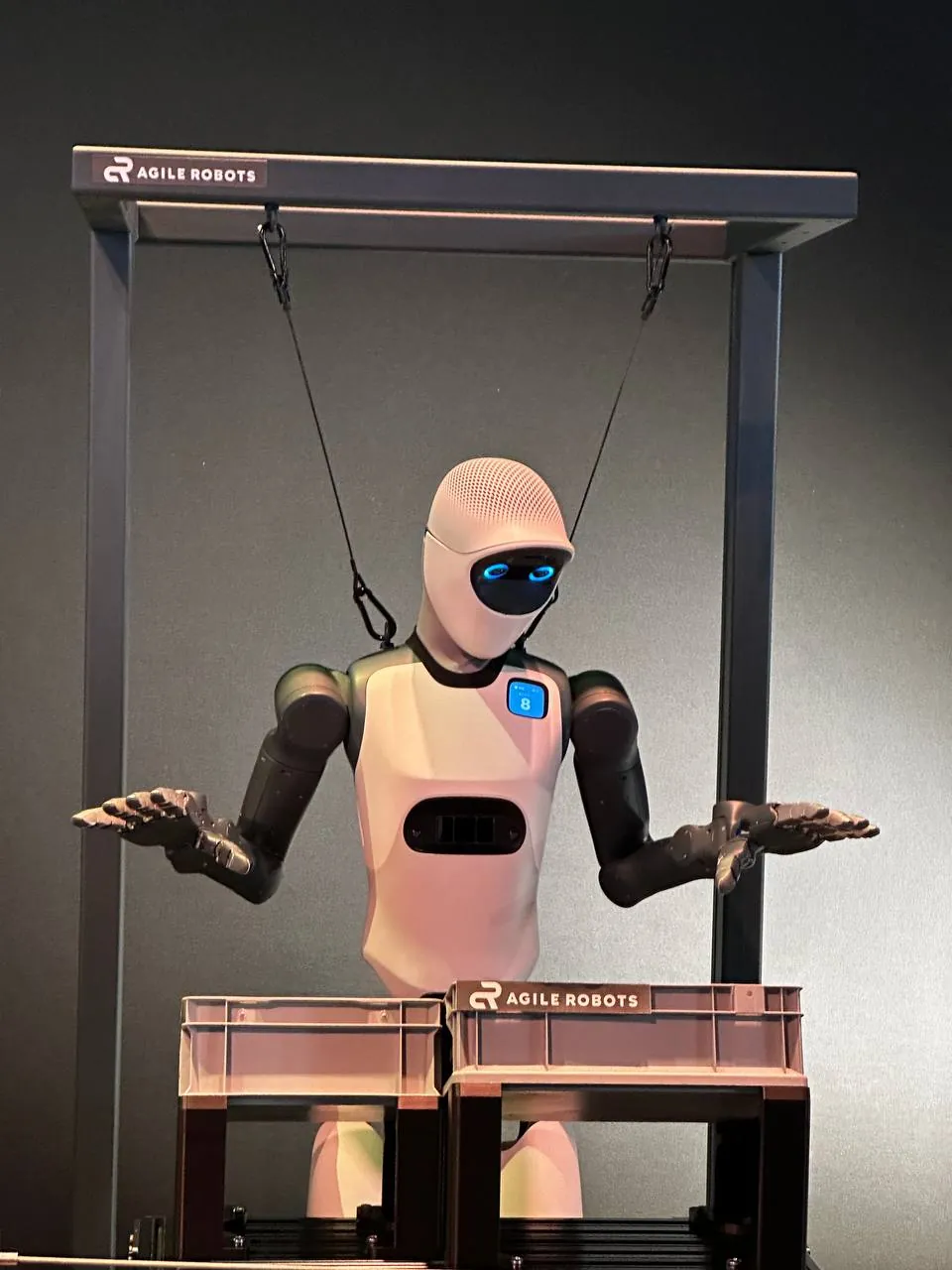
    AI-powered robot at GTC 2026

    Physical AI and robotics on the show floor

    The Bottom Line

    GTC 2026 confirmed that AI is moving from experimental to essential. For safety professionals, this is genuinely exciting. The tools to prevent workplace injuries and save lives are getting dramatically better, and we are committed to bringing those capabilities to every LifeSafety.ai user.

    If you are interested in how AI can improve safety at your organisation, get in touch - we would love to show you what is possible.
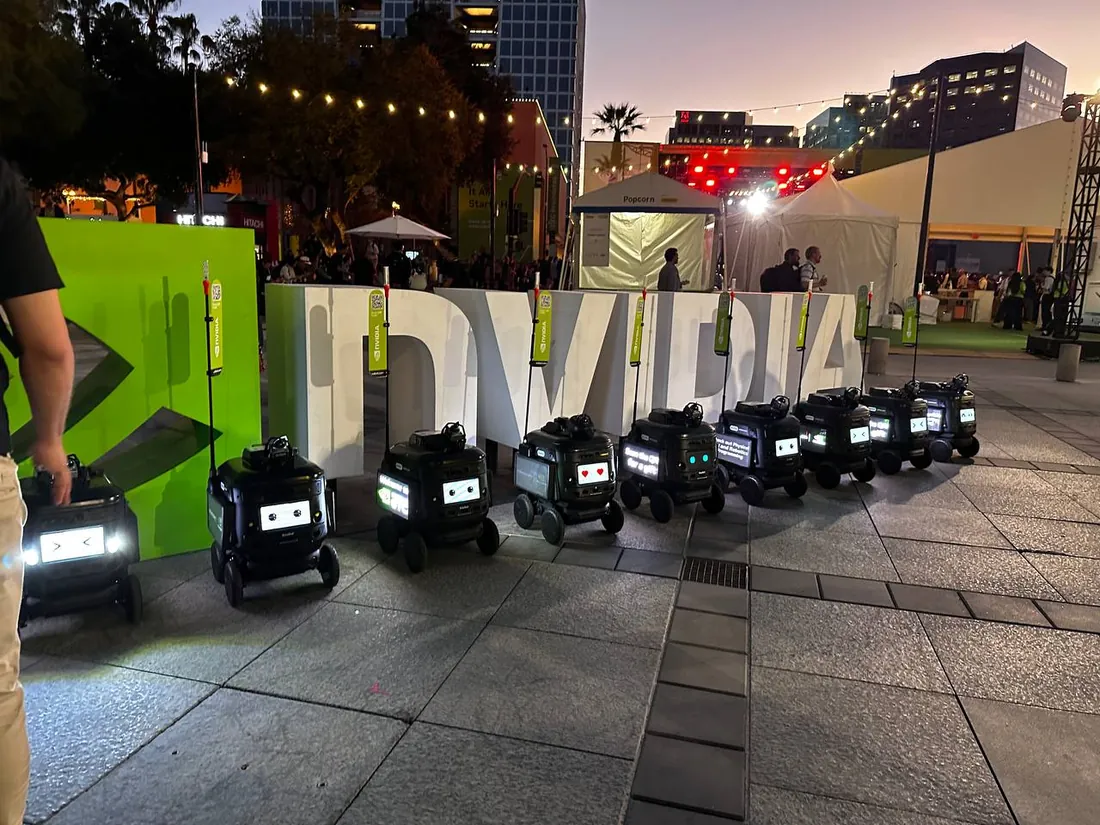
    Autonomous robots at NVIDIA GTC 2026

    The future of AI - from conference floor to construction site

    Ready to Join Us?

    Start your journey towards simpler, more effective health and safety management today.

    30-day free trial · Cancel anytime

    We value your privacy

    We use cookies to enhance your browsing experience, analyze site traffic, and personalize content. By clicking "Accept All", you consent to our use of cookies.