How AI-Powered PPE Detection is Reducing Workplace Injuries
Personal Protective Equipment saves lives. Hard hats, safety glasses, high-visibility vests, and other PPE are essential defenses against workplace hazards. Yet PPE is only effective when actually worn—and ensuring consistent compliance has always been one of the biggest challenges in workplace safety management.
Under the HSE's PPE regulations, employers have a legal duty to provide suitable protective equipment and ensure it is correctly used — AI-powered detection helps close the gap between policy and practice.
The Traditional PPE Compliance Challenge
Historically, PPE compliance relied on manual supervision: supervisors conducting visual checks, gate guards verifying equipment, or periodic inspections. These approaches are labor-intensive, inconsistent, and simply impossible to maintain 24/7 across large or distributed sites. A worker might pass inspection at the gate but remove their hard hat minutes later once they're out of sight.
The consequences of PPE non-compliance can be severe. According to HSE statistics, many serious injuries could have been prevented or significantly reduced if proper protective equipment had been worn. Beyond the human cost, organizations face regulatory penalties, increased insurance premiums, and potential legal liability.
How AI-Powered PPE Detection Works
Modern AI-powered PPE detection systems use computer vision to automatically monitor compliance in real-time. Cameras positioned around a site continuously analyse video feeds, identifying individuals and determining whether they're wearing required safety equipment. The process is straightforward but technically sophisticated:
- ▸Computer vision algorithms detect human figures in the camera's field of view
- ▸AI models classify whether specific PPE items (hard hats, vests, glasses, etc.) are present
- ▸The system compares detected PPE against zone-specific requirements
- ▸When non-compliance is detected, alerts are generated immediately
- ▸All detections are logged for compliance reporting and trend analysis
Real-World Impact: The Numbers Don't Lie
Organizations implementing AI-powered PPE detection are seeing measurable improvements in safety outcomes. Early adopters report compliance rates improving from 70-80% to over 95% within months of implementation. More importantly, they're experiencing significant reductions in PPE-related injuries.
One large construction contractor reported a 60% reduction in head injury incidents within the first year of deploying PPE detection technology across their sites. A manufacturing facility saw their recordable injury rate drop by 40% after implementing comprehensive PPE monitoring in high-risk areas.
Beyond Enforcement: Changing Behavior
The most interesting effect of PPE detection technology isn't just catching non-compliance—it's preventing it in the first place. When workers know that PPE compliance is monitored continuously and consistently, behavior changes. Wearing proper safety equipment becomes automatic, a habit reinforced by the knowledge that the system provides accountability without requiring constant human supervision.
This shifts the safety culture from reactive (catching and correcting violations) to proactive (preventing violations from occurring). Workers internalize safety practices because they know compliance is expected, monitored, and valued.
Privacy and Implementation Considerations
Implementing PPE detection requires careful attention to privacy and data protection. Systems should focus on detecting safety equipment, not identifying individuals, and data should be retained only as long as necessary for safety and compliance purposes. Transparent communication with the workforce about how the system works and what data is collected builds trust and acceptance.
The technology works best when integrated into a broader safety management approach. AI handles monitoring and alerting, but human safety professionals make judgment calls, investigate incidents, and provide the coaching and leadership that technology cannot replace.
The Future of Workplace Safety Monitoring
PPE detection is just the beginning. Computer vision systems are rapidly expanding to detect other safety hazards: unsafe behaviors, equipment malfunctions, environmental dangers, and more. As the technology matures and becomes more accessible, continuous AI-powered safety monitoring will become standard practice across high-risk industries.
The goal isn't to replace human judgment with algorithms, but to augment our ability to keep people safe. By handling the tedious, repetitive task of continuous monitoring, AI frees safety professionals to focus on strategic improvements, coaching, and building the culture that makes truly safe workplaces possible.
Related Articles
LifeSafety.ai Launches Spanish Language Pack Ahead of OSHA
LifeSafety.ai now ships a full Spanish (es-ES) language pack — bilingual, fully localised safety management as we prepare to support the OSHA framework and deliver into the US market.

HSE for Data Centres
Data-centre HSE is electrical plant, COSHH, permits and night-shift people risk. LifeSafety.ai puts UK compliance and live dashboards in one system.
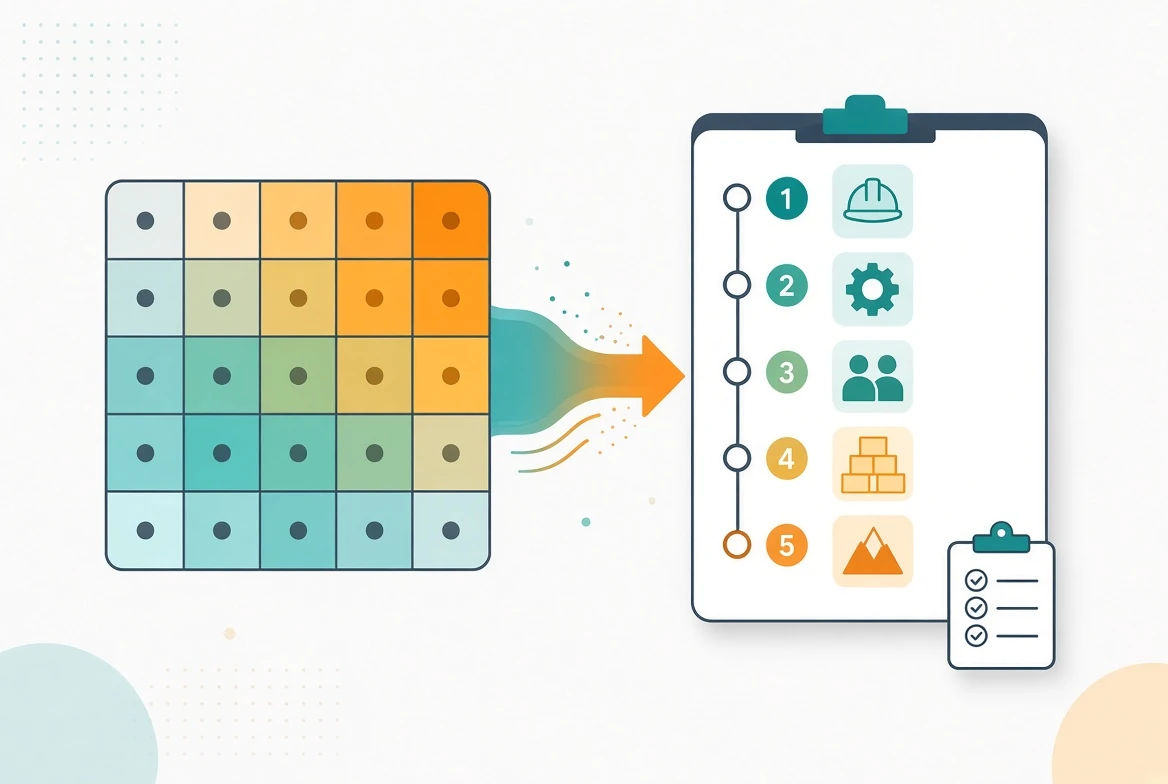
Risk Assessment vs Method Statement (RAMS): Key Differences
A risk assessment identifies what could cause harm; a method statement sets out how the work will be done safely. Here is how they differ, what UK law actually requires, and when you need both.